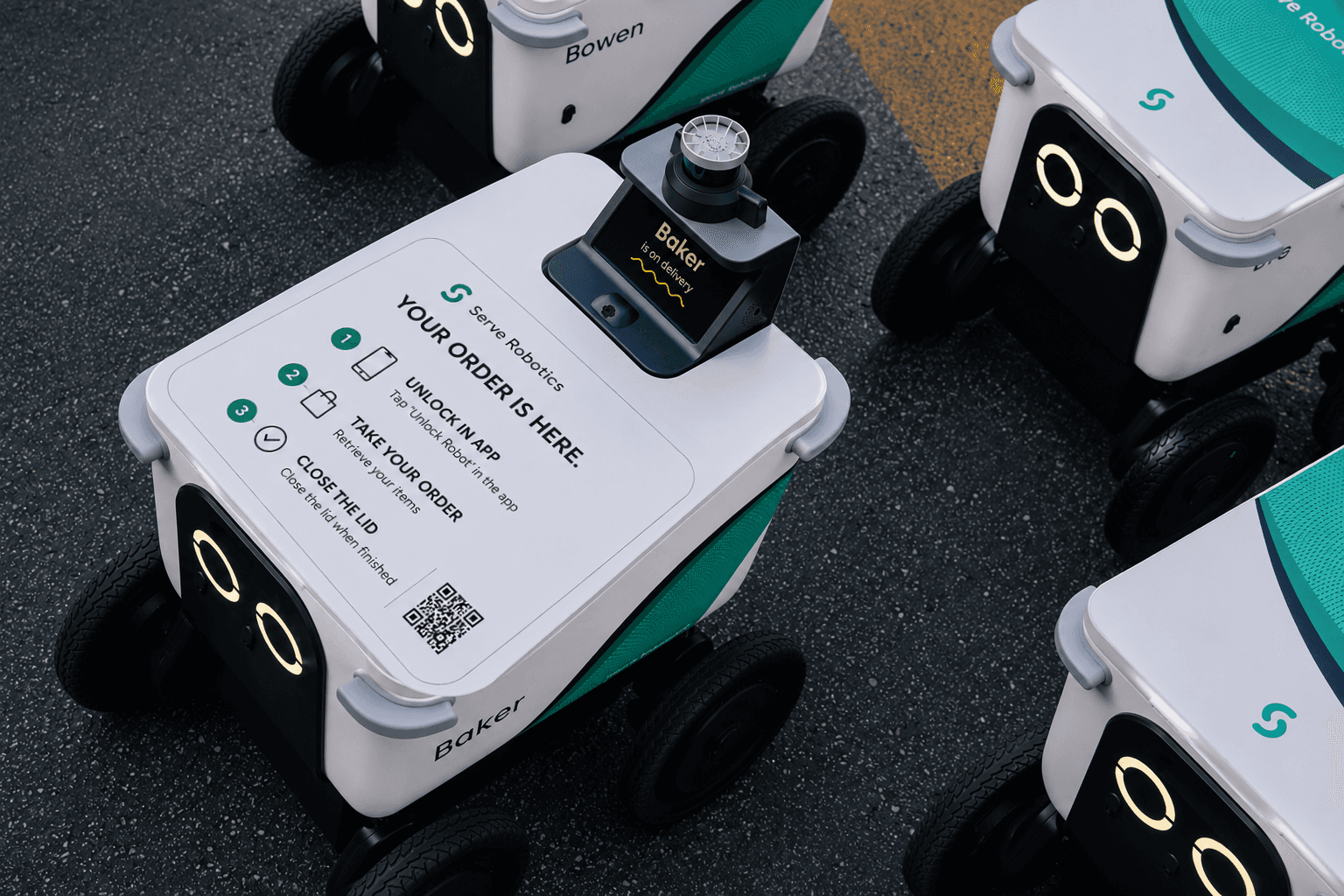
Uber Eats x Serve Robotics – Researching the Robotic Food Delivery Experience
Credit: Serve Robotics
ROLE
UX Researcher
DURATION
8 Weeks
TEAM
4-person Cross-Disciplinary Team
METHODS
Secondary Research
Affinity Diagramming
Research Synthesis
Framework Analysis
CONTEXT
Autonomous delivery, happening now
I spent my last term in Atlanta watching the city change in real time. Robotic delivery was no longer a concept – it was on the sidewalks. Uber Eats had grown revenue 12x between 2017 and 2023, and its partnership with Serve Robotics had already brought 2,000 robots across 20 US cities by end of 2025. Nobody had studied what that transition actually feels like from the inside. We did.
Independent research study. Market data sourced from Serve Robotics SEC filings and public earnings reports.

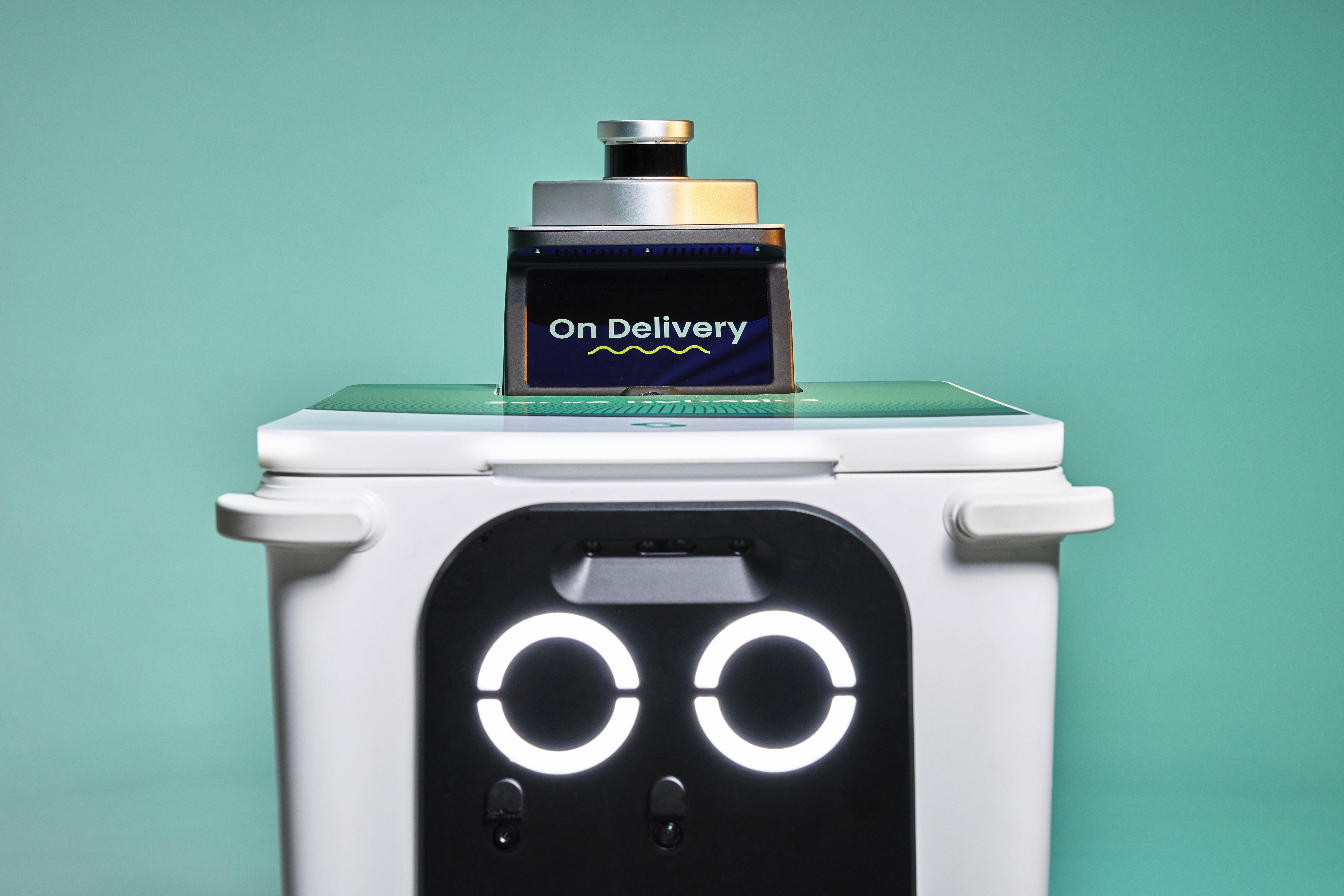
Credit: Serve Robotics
PROBLEM
What does robot delivery actually feel like?
Customers ordering food, restaurants dispatching robots, pedestrians sharing the sidewalk. We set out to understand what this experience looks like for each of them.
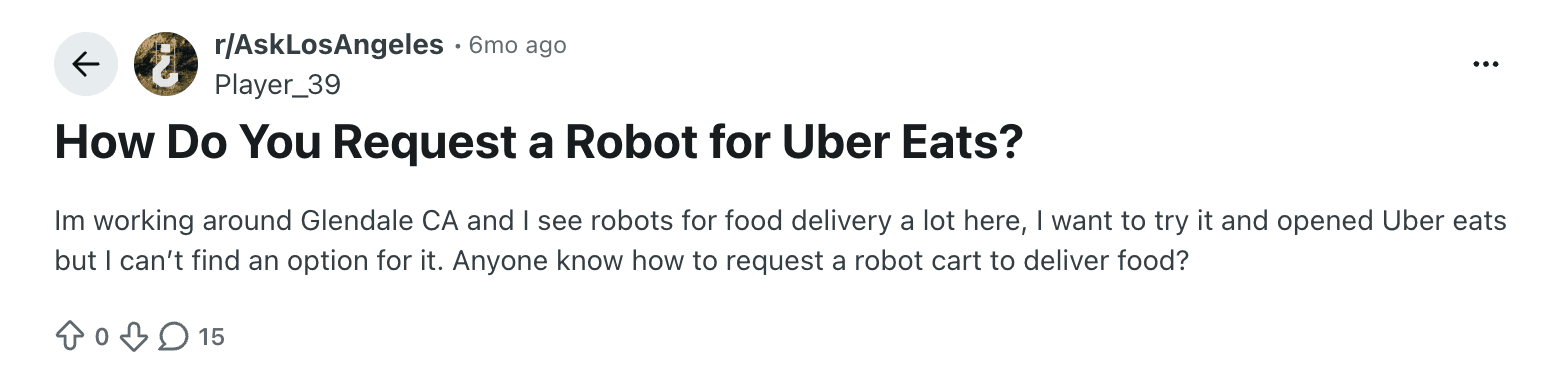

Reddit posts snapshot
OUTCOMES
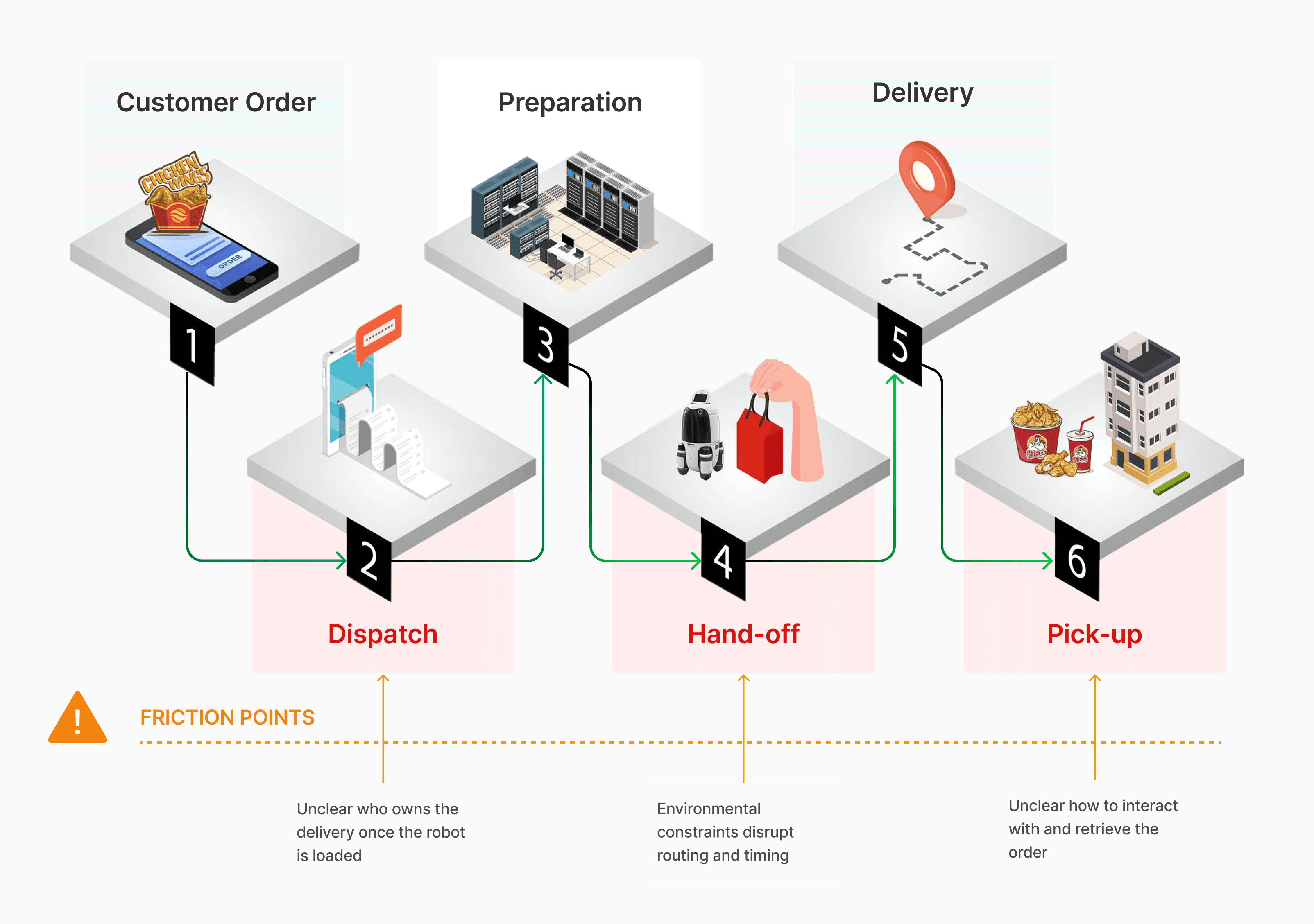
Infographic: delivery flow mapped from secondary research, with friction points validated through primary fieldwork
What the research produced
22
Research touchpoints across three audiences
7
Personas built from field research
3
Opportunities ship-ready for Q1
Based on 11 interviews, 5 cultural probes, and 6 sensory intercepts
RESEARCH
Narrowing the scope
Before choosing a method, we mapped the full delivery experience across all three stakeholder groups. That gave us a decision to make: research the entire system, or go deep on one part of it. We chose the handoff. With no budget and a fixed 8-week timeline, we needed a scope we could actually execute. The handoff was the only part of the experience we could directly observe and test.
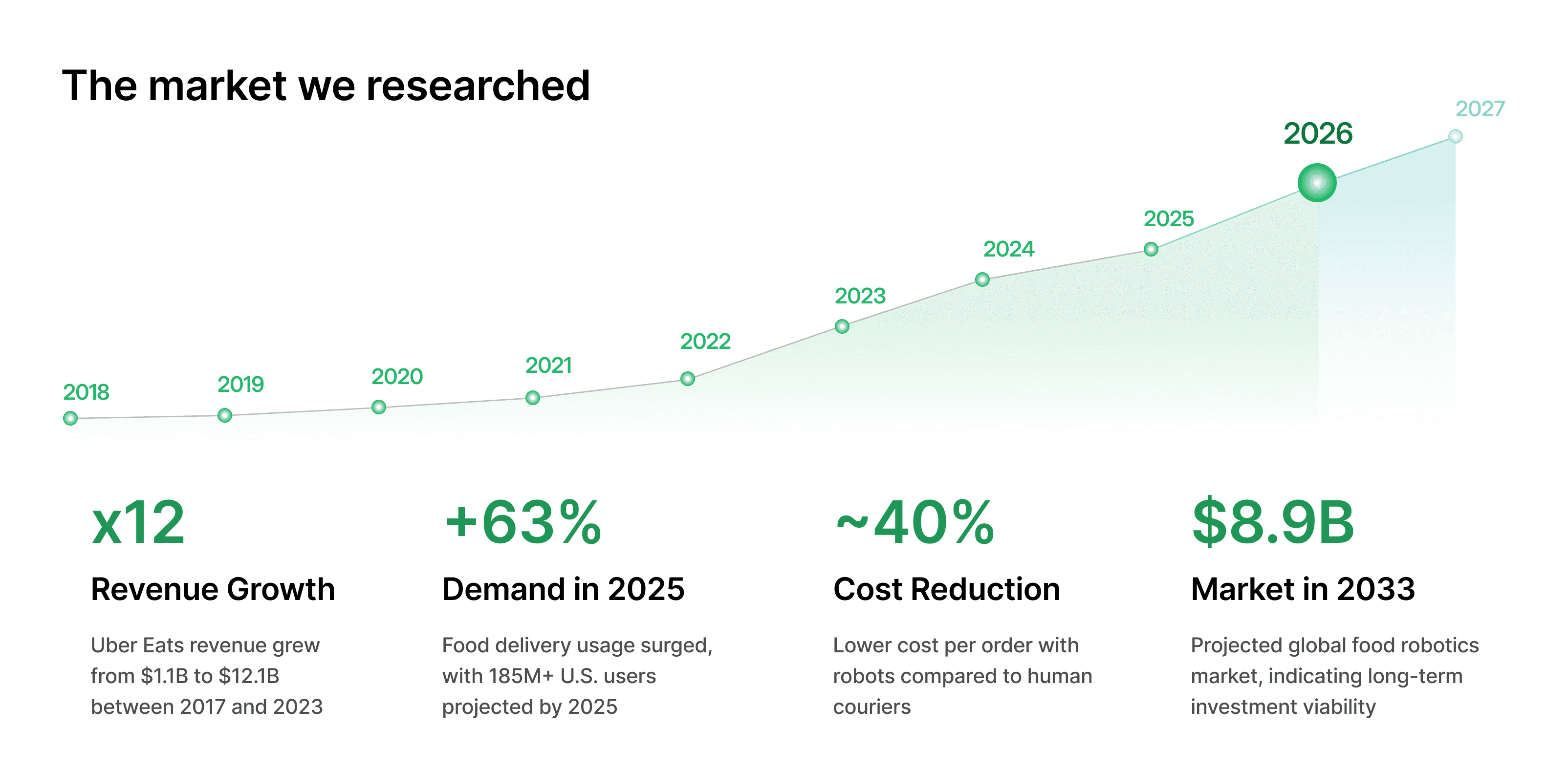
Secondary research data synthesized to establish market context before primary fieldwork began
How we collected data
11 semi-structured interviews across 4 audience groups
5 cultural probes
6 sensory intercepts at Georgia Tech campus
Shadowing robot deployments at GT and the Atlanta Beltline
Identifying patterns
We started by laying out all the data and looking for common threads. Two themes took the most attention across every tested audience: how the app communicates and guides users, and the handoff moment itself.

Affinity map snapshot; green(themes), pink(ideal experience), blue(current state), yellow(participant quotes)
What users expect
To define what a successful handoff moment looks and feels like, we synthesized the research data into emotional drivers. This gave us a clear map of the experience users would want to repeat, where the gap is, and what it looks like.
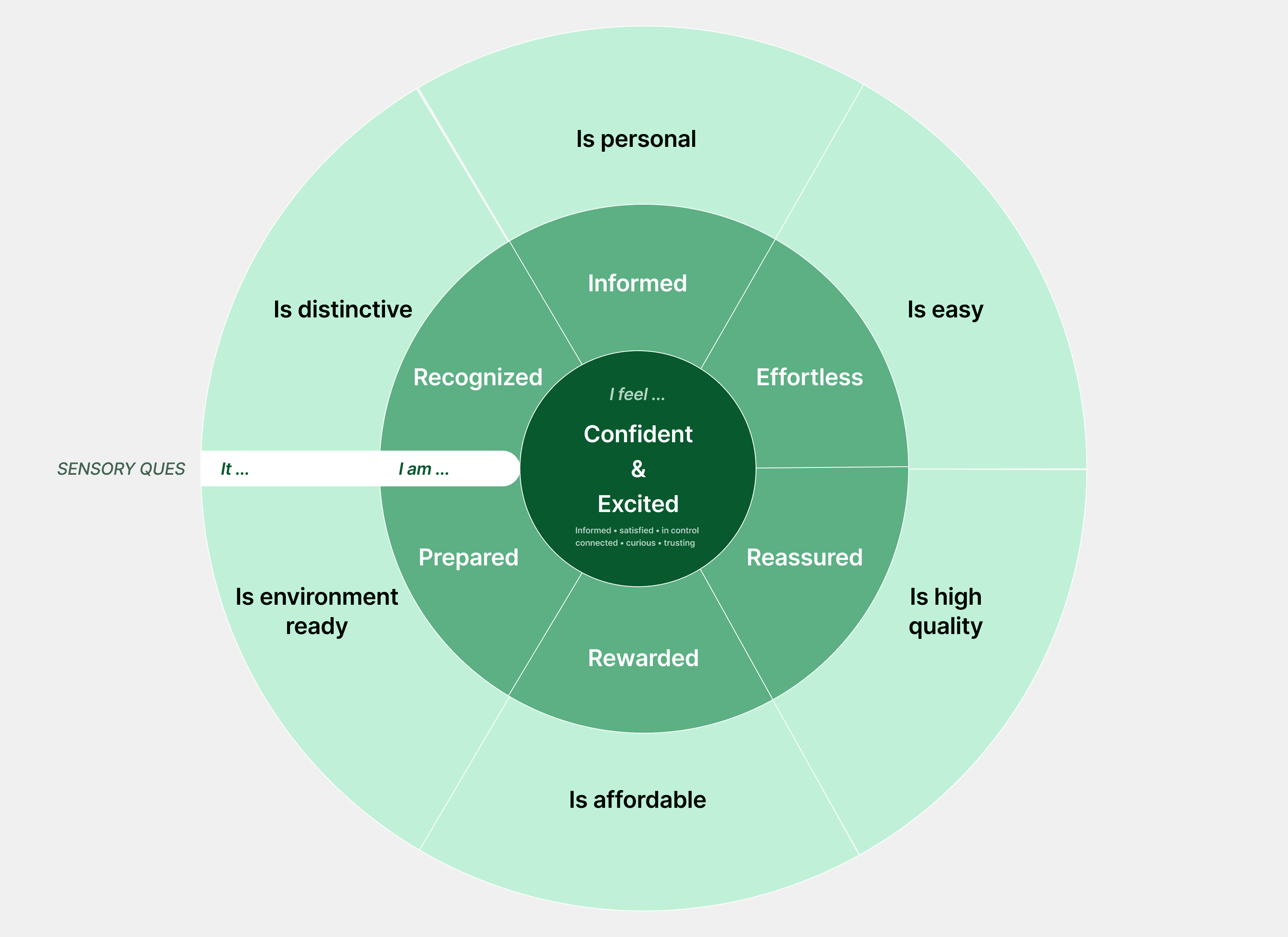
Ideal experience framework
Personas
To better visualize and communicate the current handoff experience, we composed archetypes from the datapoints we found earlier. Every user landed in the high-friction zone, the bottom-left stayed empty.

Customer personas mapped by delivery frequency and handoff friction

Henry
"I just wait where the app tells me."
Daily user
Building access blocks the handoff

Daniela
"It was never an option when I check out."
Orders frequently on other platforms
Robot delivery wasn't visible at checkout

Maximo
"I could not find the robot option in the app. I never completed the order."
Rare user
Couldn't find the option, never completed the order
Restaurant side
Alongside the customer research, we looked at how restaurants experience the same transition. We spoke with two sides: operators already running robot delivery, and those who haven't adopted it yet.
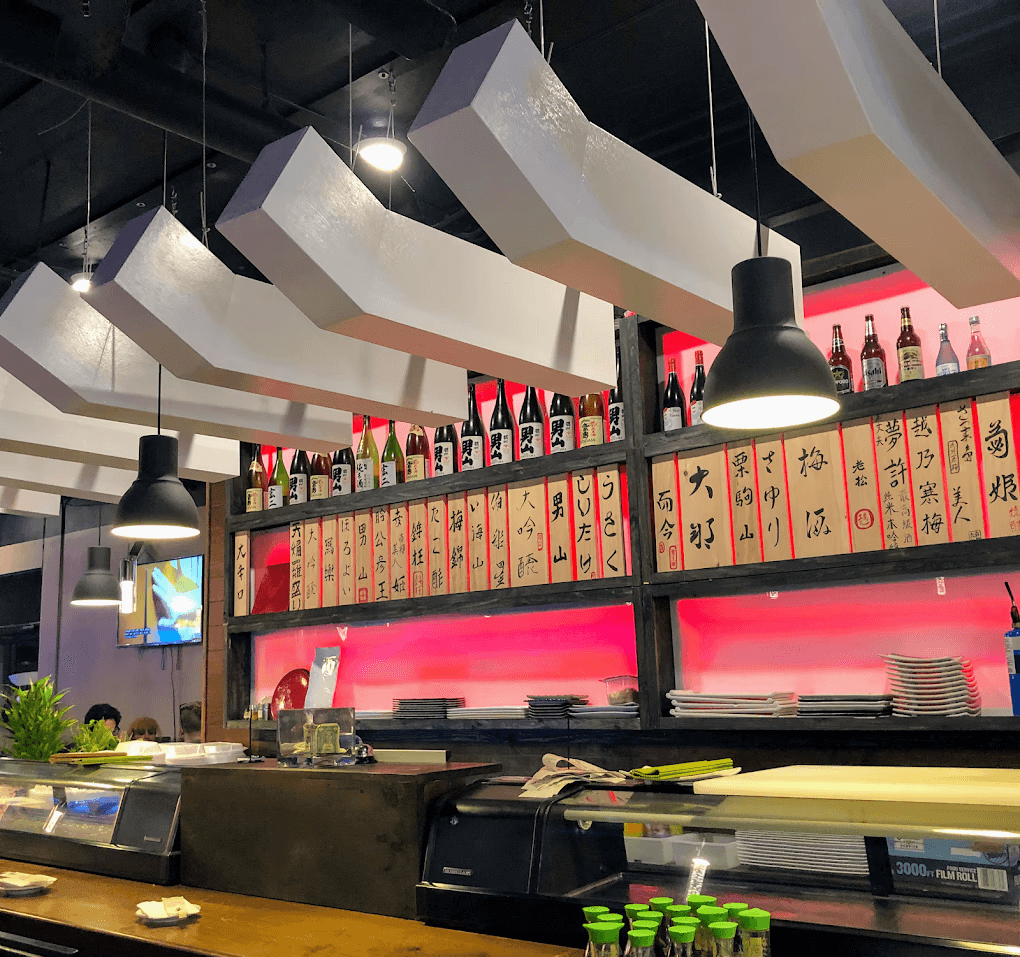
NOT USING ROBOT DELIVERY
UMAI Sushi
Customers never asked
No ask, no adoption

USING ROBOT DELIVERY
Rreal Tacos
Getting orders
Volume stays low
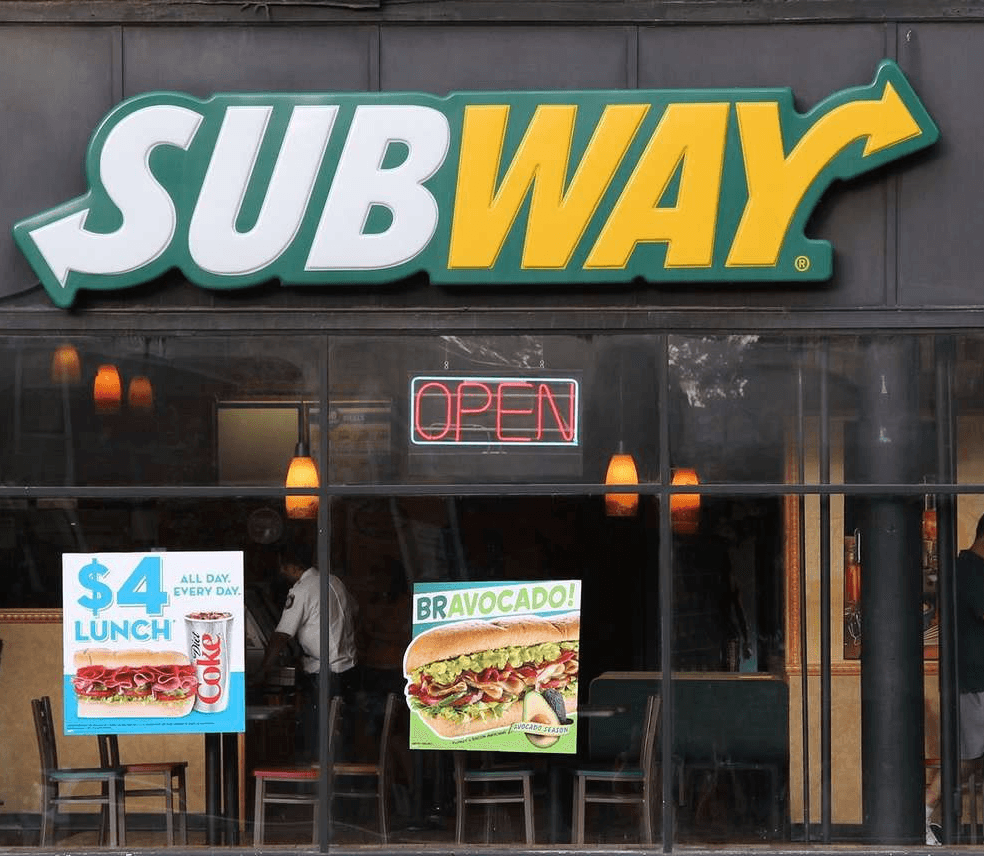
USING ROBOT DELIVERY
Subway (Georgia Tech)
Works inside campus
Fails outside it
OPPORTUNITES
App update
5 of 5 participants never found the option. Adding it as a visible choice at checkout is the single change that unlocks adoption.

Arrival signal
The robot shows up silently. Users had no idea it was there. A phone vibration, sound cue, and on-screen notification at arrival removes the confusion before it happens.

On-lid handoff guide
Participants didn't know how to open the lid. A physical instruction sticker solves this problem instantly, no app update, no hardware change.